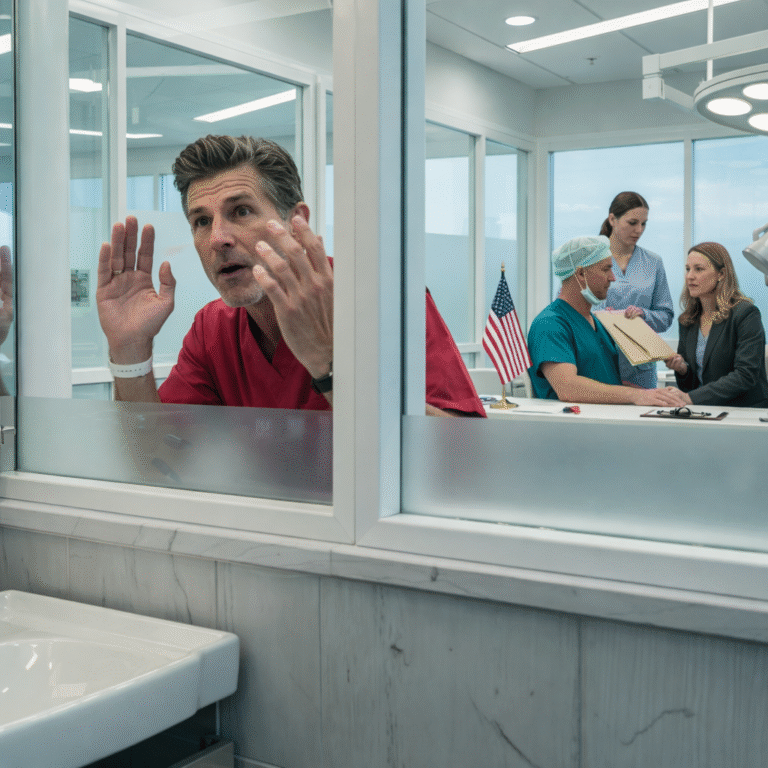
Court Papers in the Locked Drawer of a Community Doctor
The conference room was brighter, with three large windows overlooking the gravel parking lot behind the building. A long oak table took up most of the space, surrounded by six high-backed chairs. Karen spread the bank statements across the wood, grouping them by month, then walked over to a metal filing cabinet in the corner.
“Adult guardianship is a powerful tool, Rachel,” Karen said, pulling a thick white binder from the shelf near the window. “It is designed for people who can no longer care for themselves. People with advanced dementia, or those who are completely incapacitated.”
“I am fifty-four,” I said, my voice steady but thin. “I managed thirty teenagers in a classroom for thirty years. I am not losing my mind.”
“It does not matter what you can do,” Karen said. “It matters what he can convince a judge you cannot do. If a physician of his standing files a petition stating that his wife is experiencing severe cognitive decline, the court takes it very seriously.”
“But why?” I asked. “Our marriage has been quiet. We have our routine.”