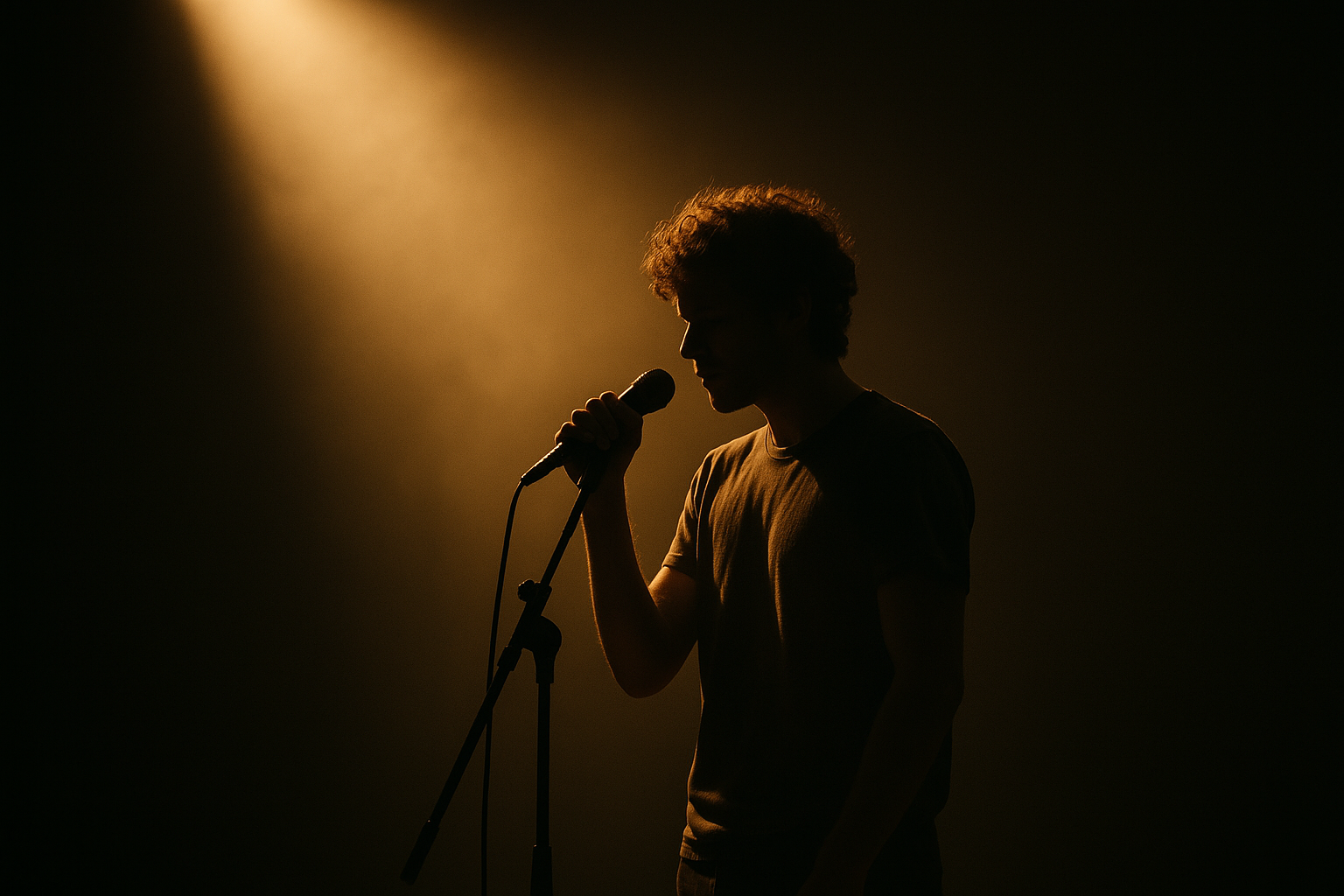
The Comeback of Real Art: Why Authenticity Is the New Fame
For years, entertainment has been ruled by algorithms — streams, views, clicks, and trends deciding what becomes “popular.” But lately, something is shifting. People are growing tired of the endless loop of viral dances, recycled remixes, and predictable sequels. They’re craving something real again — a story that moves them, a song that feels alive, a performance that means something.
This quiet rebellion against artificial fame might just be the most important cultural movement of the decade.
The Fatigue of Perfection
Audiences are beginning to see through the filters — both digital and emotional. Everything looks polished, optimized, and controlled, but nothing feels human. Social media turned creativity into a race, and streaming services turned discovery into data. The result? A generation that consumes more than ever but connects less than before.
That’s why authenticity has suddenly become the most valuable currency in entertainment.
Artists who dare to be imperfect — to show vulnerability, flaws, and real emotion — are the ones breaking through the noise.
The Rise of the Storyteller Again
From independent filmmakers to local musicians and online creators, the spotlight is shifting away from the biggest studios and labels.
People no longer want content — they want connection.
You can see it in the success of low-budget documentaries that go viral, or in the way ordinary TikTok musicians build loyal audiences without ever signing a contract. Authenticity travels faster than marketing — and it sticks longer.
In the entertainment industry, power is moving from corporations to creators.
The art that resonates now doesn’t come from a formula; it comes from truth.
Audiences Have Grown Smarter
The biggest change isn’t just in what people watch — it’s how they watch. Viewers analyze, critique, and demand accountability. They don’t want to be sold an image anymore; they want to see the person behind it.
That’s why the next generation of entertainment will belong to those who treat their audience not as consumers but as collaborators.
When fans feel seen, they don’t just watch — they participate. And that’s where art becomes movement.
Back to the Beginning
Maybe the future of entertainment isn’t about new technology or bigger budgets.
Maybe it’s about rediscovering what made us fall in love with it in the first place — emotion, honesty, and wonder.
Because in a world where everything can be faked, being real has never been more revolutionary.