South Carolina Measles Outbreak Intensifies as Cases Continue to Climb
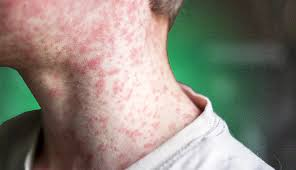
A measles outbreak in South Carolina has surged sharply in recent weeks, alarming public health officials and prompting renewed calls for vaccination as the highly contagious disease spreads through communities. The state Department of Health and Environmental Control (DPH) reports that the outbreak — which began late last year — has grown rapidly, with health authorities confirming hundreds of cases concentrated primarily in the Upstate region around Spartanburg County.
The latest official update indicates that the total number of confirmed measles cases in South Carolina has reached more than 300, marking one of the largest outbreaks the state has seen in decades. The outbreak began in October and has accelerated sharply in recent days, with nearly 100 new cases reported in just a few days as infections spread among unvaccinated individuals and close contacts of known cases.
Measles is a viral illness known for its remarkable contagiousness. It spreads easily through respiratory droplets when infected people cough or sneeze, and the virus can linger in the air or on surfaces for hours. People infected with measles can be contagious several days before symptoms develop, making early detection and isolation difficult. The disease typically begins with fever, runny nose, cough and watery eyes, followed by a characteristic red rash that starts on the face and travels downward across the body.
Public health authorities say the outbreak’s explosive growth is closely linked to low vaccination rates in certain communities. Nationwide measles vaccination coverage has declined in recent years, falling below the threshold considered necessary to maintain “herd immunity,” the level of protection that prevents widespread transmission. In South Carolina’s Upstate region, vaccination percentages have lagged behind this target, leaving pockets of the population vulnerable to infection.
State epidemiologists report that the vast majority of confirmed cases — well over 80 percent — involve individuals who were not vaccinated against measles. Only a small number of those infected had received at least one dose of the measles, mumps and rubella (MMR) vaccine, and very few were fully vaccinated. These patterns underscore the effectiveness of the vaccine in preventing measles and its role in protecting communities against outbreaks.
Children have been disproportionately affected in this outbreak, with many cases occurring among school-aged youth. Officials have identified exposure sites including schools and churches, where close contact among large groups has facilitated transmission. In response, the DPH has placed hundreds of people in quarantine to limit further spread. Quarantine orders require those exposed to stay home for a period of days, often up to three weeks, to ensure they do not develop and unknowingly spread the virus to others.
Closures and quarantine orders have disrupted school routines and everyday life for families in affected areas. Some students have been barred from classrooms multiple times as exposure sites have been identified and health officials work to trace contacts and contain the outbreak. State epidemiologist Dr. Linda Bell has cautioned that the number of people identified for quarantine likely underestimates the true number of those exposed, as many public exposure locations have only recently been documented.
While the outbreak remains centered in South Carolina, related cases have appeared in neighboring states as well. Health departments in North Carolina and Ohio have reported measles infections linked to travel from the affected area, illustrating how easily the virus can cross state lines when vaccination coverage is insufficient. The Centers for Disease Control and Prevention has noted that the United States recorded thousands of measles cases in the previous year, the highest annual total in decades, highlighting the resurgence of what had been considered a largely controlled disease.
Measles had been declared eliminated in the United States more than two decades ago, meaning the virus was no longer circulating widely in the population. However, declining vaccination rates and increased international travel have contributed to the return of outbreaks, prompting fresh concerns among public health officials. Elimination status requires a country to halt sustained local transmission of the virus for at least a year, and ongoing outbreaks raise questions about whether that benchmark can be maintained.
Healthcare providers across South Carolina are urging residents to ensure their vaccinations are up to date, especially for young children and others at high risk of severe disease. The MMR vaccine is widely available through physicians’ offices, pharmacies and local health departments. Federal and state health authorities emphasize that the vaccine is safe, effective and the most reliable tool for preventing measles infection and stopping outbreaks once they begin.
Parents and caregivers are encouraged to watch for early signs of measles infection, which can be especially severe in infants, immunocompromised individuals and adults who lack immunity. In addition to fever and rash, complications from measles can include pneumonia, ear infections, encephalitis and, in rare instances, death. These serious outcomes underline the importance of prevention through vaccination rather than treatment after infection.
Public health officials also stress the importance of seeking medical advice promptly if exposure is suspected or symptoms develop. Those who may have been exposed are advised to contact their healthcare provider before visiting a clinic or emergency room, so appropriate infection control measures can be arranged. This proactive approach helps protect other patients and healthcare workers from potential exposure.
The current outbreak has also prompted renewed educational efforts aimed at countering vaccine misinformation, which health experts say has contributed to vaccine hesitancy in some communities. Accurate, evidence-based information about vaccine safety and effectiveness is being shared through public health campaigns, schools and medical clinics in an effort to bolster confidence and increase immunization rates.
As the measles outbreak continues to unfold in South Carolina, health officials are urging individuals and communities to act quickly to protect themselves and others. With tens of thousands of people potentially exposed and quarantine measures still in effect, officials stress that vaccination and vigilance remain key to containing the outbreak and preventing further spread.