Flu Activity Continues to Rise Across the United States, With at Least 15 Million Cases Reported
Flu activity across the United States continues to climb this season, with federal health officials estimating that at least 15 million people have already been infected. The Centers for Disease Control and Prevention says the virus has led to approximately 180,000 hospitalizations and more than 7,000 deaths so far, underscoring the severity of this year’s influenza season as cases continue to increase nationwide.
According to the CDC’s latest surveillance data, flu transmission remains widespread across much of the country. Many states are reporting high or very high levels of influenza activity, and health officials caution that the season has not yet reached its peak. Compared to typical years, outpatient visits for flu-like illness are occurring at unusually high rates, placing added strain on healthcare systems.
Children have been particularly affected this season. Pediatric flu cases have reached levels not seen in more than a decade, with doctors reporting a surge in visits from young patients experiencing fever, cough, sore throat and fatigue. In some regions, schools have reported increased absenteeism as families grapple with the virus spreading rapidly among children.
Hospitals and emergency departments are feeling the impact as well. Healthcare providers in multiple states say they are treating an influx of patients with severe flu symptoms, particularly among young children, older adults and those with underlying health conditions. In some areas, hospitals have struggled with capacity as they manage flu cases alongside other respiratory illnesses such as RSV and COVID-19.
Public health experts say the severity of this season is being driven in part by a highly transmissible strain of influenza that has become dominant in the U.S. This strain, a variation of the H3N2 subtype, has shown an increased ability to spread quickly through communities. While this year’s flu vaccine may not be a perfect match for the circulating strain, officials stress that vaccination still offers significant protection against serious illness, hospitalization and death.
Despite concerns about vaccine effectiveness, doctors continue to emphasize that people who receive the flu shot are far less likely to experience severe complications. The CDC recommends annual flu vaccination for nearly everyone aged six months and older, noting that even partial protection can reduce the overall burden on hospitals and healthcare providers.
Another challenge this season has been the cumulative impact of multiple respiratory viruses circulating at the same time. The combination of flu, RSV and lingering COVID-19 cases has placed unprecedented pressure on emergency rooms and intensive care units. Medical professionals warn that this convergence increases the risk of delayed care and burnout among healthcare workers.
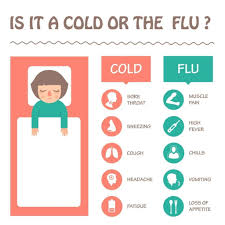
Health officials are urging people to remain alert to flu symptoms and seek care when necessary. Common symptoms include sudden fever, chills, muscle aches, headache, fatigue, dry cough and sore throat. In young children, symptoms may also include irritability, reduced appetite or vomiting. More serious warning signs — such as difficulty breathing, chest pain, confusion or dehydration — require immediate medical attention.
In addition to vaccination, public health authorities recommend several preventive steps to reduce the spread of influenza. These include frequent hand washing, covering coughs and sneezes, staying home when sick, and avoiding close contact with vulnerable individuals. Officials say these simple measures can make a meaningful difference during periods of high transmission.
The current flu season has also highlighted the unpredictable nature of influenza outbreaks. While flu activity typically peaks between December and February, the timing and intensity vary each year. This season’s early and sustained surge demonstrates how quickly influenza can impact communities, particularly when a more contagious strain becomes widespread.
Experts continue to monitor trends closely, including infection rates by age group and region. Young children, older adults and people with chronic medical conditions remain the most vulnerable to severe outcomes. Public health messaging and vaccination efforts are being targeted toward these populations in an effort to reduce complications and deaths.
Although some regions may eventually see flu activity level off, officials caution that it is too early to determine when that will happen. Influenza cases could continue to rise for several more weeks, and additional surges remain possible as people spend more time indoors during the winter months.
Overall, the current flu season serves as a reminder of the virus’s potential impact even in a post-pandemic environment. With millions of cases already reported and hospitals under strain, health officials stress the importance of prevention, early treatment and community awareness. As the season continues, individuals are encouraged to take steps to protect themselves and others, helping to limit the spread of influenza and reduce its toll on public health.