Will Americans Receive Another Stimulus Check? Exploring the Possibility

As economic uncertainty continues into the new year, conversations about a potential new government stimulus check are resurfacing. While no official legislation has been passed, several factors have fueled speculation that another round of direct relief payments could become a serious consideration in Washington.
Economic Pressure on Households
Many families are still navigating the lingering effects of inflation, elevated interest rates, and rising costs of essentials such as food, housing, and transportation. Although inflation has slowed compared to its peak, the cumulative impact on household budgets remains significant. For millions of Americans, wages have not risen at the same pace as living expenses, making financial relief an appealing — and in some cases necessary — tool for stability.
Indicators from consumer spending patterns also show signs of softening. Retailers are reporting more cautious consumer behavior, while credit card balances continue to climb. These trends suggest that households could benefit from additional support to maintain financial security.
Why Lawmakers Are Considering It
The idea of new stimulus payments often emerges when the economy shows signs of strain or when policymakers believe additional spending could help boost momentum. If economic conditions worsen, or if consumer spending slows further, elected officials may feel increased pressure to take action.
In addition, targeted stimulus — aimed at low- and middle-income families — has been discussed as a way to provide relief without overheating the broader economy. Some lawmakers argue that a focused approach can help the most vulnerable populations without creating the same inflationary concerns associated with earlier, broad stimulus rounds.
The Political Landscape
Any potential stimulus package would face political hurdles. With divided opinions across party lines, passing a new round of direct checks would require significant negotiation. Supporters emphasize the importance of protecting families from economic downturns, while critics warn that additional government spending could fuel deficits or interfere with monetary policy.
Still, both parties recognize that millions of Americans are feeling financial strain — and in times of economic slowdown, bipartisan urgency has historically shaped major relief efforts.
What Could Happen Next
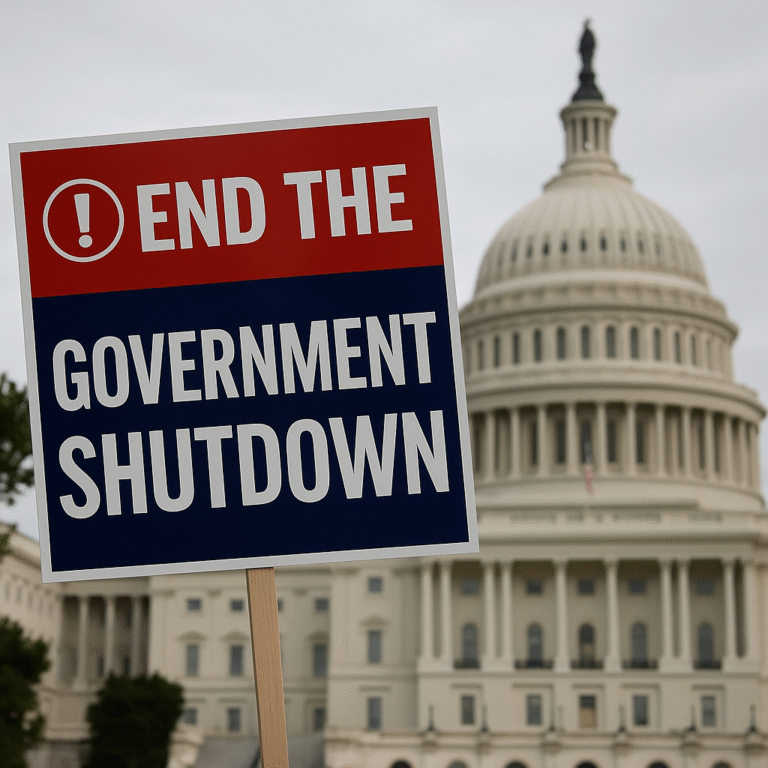
At this stage, nothing is finalized. However, economists note that stimulus discussions typically gain traction when labor markets weaken or when large-scale disruptions — such as government shutdowns, market declines, or natural disasters — put pressure on household finances.
If current conditions persist or worsen, the possibility of another stimulus check may shift from speculation to legislative priority.
For now, Americans continue to watch the situation closely, hoping for stability — and for leaders in Washington to take action that supports economic resilience in the months ahead.