Tulsa Protesters Demand Accountability After Fatal ICE-Involved Shooting in Minneapolis

Tulsa residents gathered in downtown Tulsa this weekend to protest the fatal shooting of a Minneapolis woman by a U.S. Immigration and Customs Enforcement officer, joining a wave of demonstrations across the country that have erupted in response to the controversial incident. More than 200 people came together at Johnson Park on Saturday, holding signs, chanting and calling for justice and accountability from federal authorities after the death of 37-year-old Renee Nicole Good during a federal enforcement operation in Minneapolis earlier this month.
The Tulsa protest was one of many local actions that have taken place since Good was shot and killed by an ICE agent during a federal operation in south Minneapolis. Good’s death has ignited outrage nationwide, drawing criticism from community organizers, local leaders and civil rights advocates who say the circumstances surrounding the shooting raise serious questions about the use of force by federal immigration agents. Demonstrators in Tulsa echoed these concerns, emphasizing their fear and frustration with what they described as excessive force and a lack of transparency from federal officials.
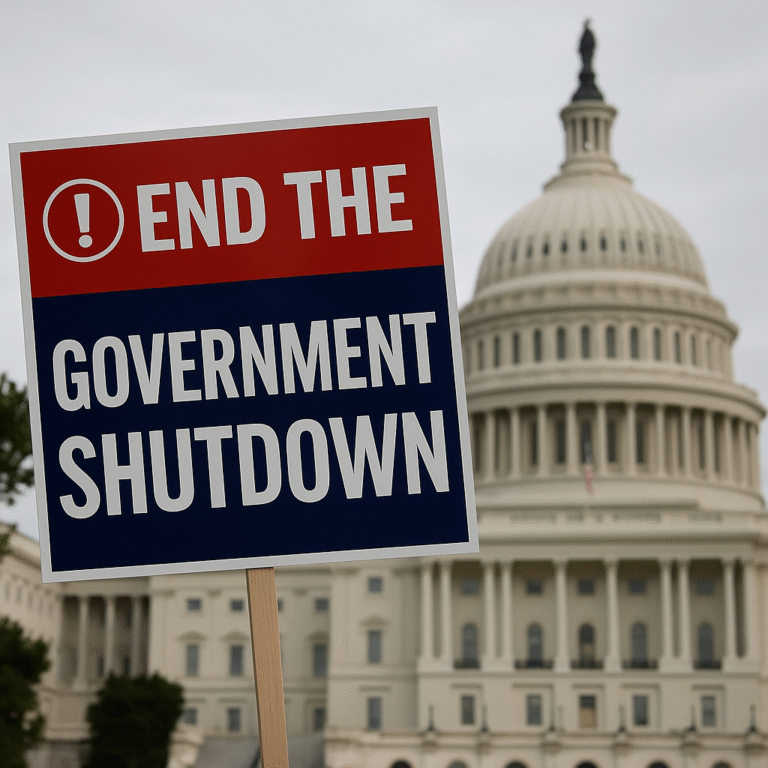
Protesters at Johnson Park carried signs that read messages calling for accountability, justice and reform, and made clear that they saw the Minneapolis shooting as part of a broader pattern of federal overreach in immigration enforcement. Linda Baker, a Tulsa protester, said she was “horrified” by the news of Good’s death and felt compelled to stand in solidarity with people across the country demanding change. Mark Landon, another participant, said the demonstration was intended to send a clear message that such incidents “should not be happening in our country” and that Americans must demand better from their government.
The Tulsa gathering was largely peaceful, with organizers urging unity and collective action rather than division. Participants stressed the importance of continuing to “push for accountability and unity,” saying that citizens of different political backgrounds must come together to confront issues of federal power, community safety and government transparency. Vicky Gates, another protester, said that including Minnesota authorities in the investigation was essential, arguing that state officials should not be excluded from examining Good’s death.
The demonstration in Tulsa took place amid a national climate of heightened protest activity following the shooting in Minneapolis. Thousands of people have taken to the streets in cities and towns across the United States in the days since the incident, with rallies staged in major urban centers and smaller communities alike. In Minneapolis itself, tens of thousands marched under banners calling for federal immigration authorities to be removed from their city and for a thorough, independent investigation into the killing. Many protesters have described Good’s death as emblematic of broader issues with Immigration and Customs Enforcement’s tactics and authority.
In cities such as New York, Philadelphia, Iowa City, Burlington, and Lawrence, protesters have gathered to mourn Good’s death and express outrage, frequently tying their actions to demands for sweeping immigration reform and greater accountability for federal law enforcement agencies. Some demonstrations have included candlelight vigils, songs and moments of silence to honor Good’s memory, while others have been more vocally political, calling for systemic changes to how immigration laws are enforced and how federal agencies engage with local communities.
The Minneapolis incident has also sparked political controversy. Local leaders, including the city’s mayor, have criticized the federal response and raised concerns about fairness and inclusivity in the investigation. Officials in Minnesota have argued that state law enforcement should be allowed to participate in the inquiry, particularly in light of video footage that appears to contradict federal claims about what happened during the encounter. Critics have argued that early statements by federal authorities labeled Good’s actions as threatening without sufficient review of the available evidence.
The U.S. Department of Homeland Security responded to the protests by announcing plans to deploy additional federal agents to Minneapolis to support ongoing operations. This decision has further fueled tensions and drawn criticism from local officials and civil liberties advocates, who argue that the increased federal presence only deepens distrust and escalates conflict rather than addressing the core issues at hand.
National political figures have weighed in as well, with some lawmakers condemning the shooting and calling for transparency, while others have defended Immigration and Customs Enforcement’s actions and emphasized the dangers law enforcement officers face in the field. These differing political interpretations have added another layer of complexity to an already contentious public debate about immigration policy, use of force and government accountability.
The legacy of the incident has also reverberated beyond protests. Some organizations — particularly faith-based groups and nonprofits — have announced changes to their policies governing interactions with law enforcement, requiring judicial warrants before allowing officers access to their facilities. Advocates say these changes reflect broader concerns about community safety and civil liberties in the wake of the shooting.
For many protest participants in Tulsa and across the country, the focus has been less on partisan politics and more on demanding a justice system that they believe should protect all residents equally, regardless of background. They argue that the loss of life in the Minneapolis shooting was unnecessary and avoidable and that the federal government must do more to ensure accountability when its agents use deadly force.
The protest in Tulsa, like others nationwide, underscored deep public dissatisfaction with current immigration enforcement practices and a desire for meaningful reform. Organizers said they plan to keep raising awareness and pushing for changes that they hope will prevent similar tragedies in the future.
As demonstrations continue and political debate unfolds, the death of Renee Nicole Good remains a focal point for broader conversations about law enforcement, federal authority and community trust. Tulsa protesters and their counterparts across the nation are calling on leaders at every level of government to listen to their demands, support transparent investigations and take concrete steps toward accountability and justice.