Trump Administration Expands Social Media Screening for Visa Applicants, Sparking Free Speech Debate

A major political controversy is unfolding in Washington this week after reports that the Trump administration has expanded requirements for visa applicants to disclose social media history, with officials increasingly scrutinizing online posts for what they describe as “anti-American” speech or content that may be supportive of terrorism. The policy change is being framed by the administration as a national security measure, but critics argue it amounts to government pressure on speech and could chill political expression—especially among immigrants and visitors.
What’s Changing
According to reporting, the administration has broadened its screening efforts to include more visa categories, including employment-related visas such as the H-1B, and is using expanded screening to review applicants’ social media activity. Supporters of the move say it’s a necessary update for modern security screening, as many extremist networks and illegal activity leave digital trails. Opponents argue the definition of “anti-American” is vague and risks turning political opinions into grounds for denial or deportation.
The debate isn’t simply about immigration—it’s also about the limits of government power over expression and whether speech-based screening is consistent with democratic norms. The policy reportedly relies heavily on digital review tools, including AI-based scanning, which raises further concerns about accuracy and bias, particularly when context is complicated or sarcasm is misread.
Legal Pushback Is Already Underway
The dispute escalated after a federal judge issued a temporary restraining order blocking the government from detaining Imran Ahmed, a British activist and U.S. legal resident who filed suit after being targeted under a visa ban alongside several other Europeans. Ahmed argued that the threat of detention and deportation violated his constitutional rights, including free speech and due process. The case names top officials, including Secretary of State Marco Rubio and Homeland Security Secretary Kristi Noem, and the court scheduled further proceedings for December 29.
The ruling doesn’t decide the full case yet, but it signals that federal courts may be willing to block or limit enforcement—at least temporarily—when the government’s actions appear to cross constitutional lines.
The Political Stakes
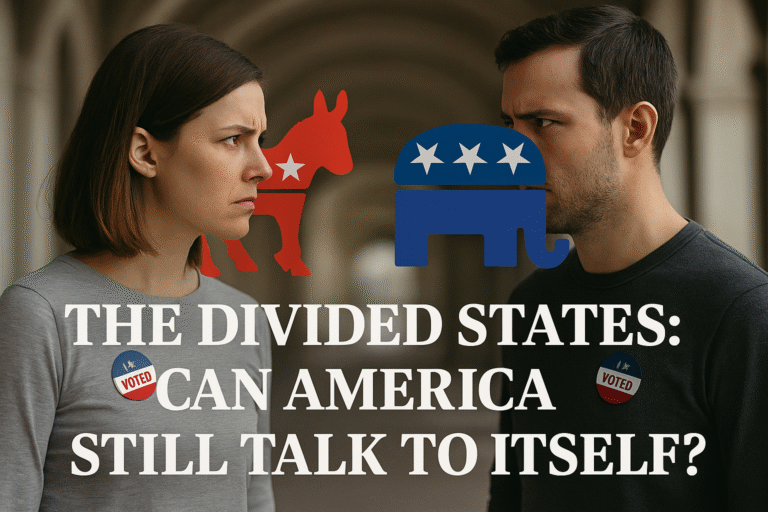
This fight has become a lightning rod because it touches multiple hot-button issues at once: immigration enforcement, national security, technology policy, and speech rights. For supporters of tougher immigration controls, the policy demonstrates a willingness to take aggressive preventative action. For civil liberties advocates, it resembles a political loyalty test, where lawful residents and visitors can face punishment for expressing controversial opinions.
European officials have criticized the bans and restrictions as well, arguing that regulation of large tech platforms—particularly concerning misinformation, hate speech, or child protection—should not be treated as hostile behavior toward the U.S.
What Happens Next
The next major turning point will come from the court fight surrounding Ahmed and related cases, as judges weigh whether the government’s screening practices violate legal protections for expression and fairness. At the same time, the administration appears unlikely to back down quickly, meaning this issue could become a durable political battle heading into 2026.
For now, the policy debate shows how immigration enforcement is increasingly merging with digital surveillance and political speech, creating a new front in the national conversation over rights, security, and the meaning of “acceptable” public expression.