The Shutdown Gamble: How America’s Functional Collapse Became Political Theater
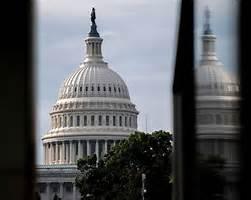
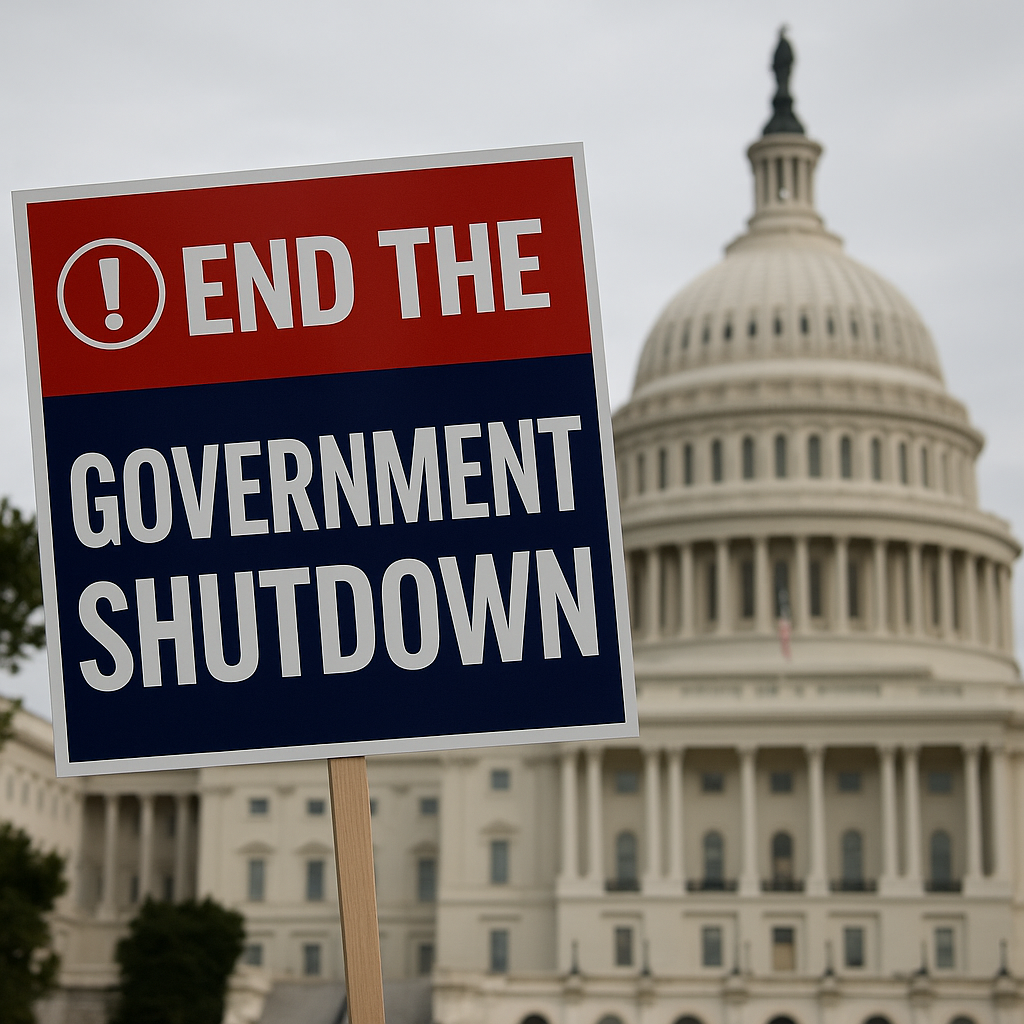
On October 1, 2025, the United States entered another government shutdown after Congress failed to pass a funding bill for the new fiscal year. Wikipedia What started as partisan brinkmanship quickly evolved into a full-blown crisis affecting millions of Americans and revealing deep fractures in the nation’s political system.
What Happened
At 12:01 a.m. EDT, federal funding expired. Roughly 900,000 federal employees were furloughed, while another 700,000 workers continued without pay, in agencies deemed essential. Wikipedia Key services like Medicare, Medicaid, and the Transportation Security Administration remain operational, but scientific, health, and administrative agencies are severely scaled back or shut. Wikipedia
Democrats demanded that Affordable Care Act (ACA) subsidies remain intact as part of the funding deal. Republicans refused to include them, insisting on a “clean” continuing resolution. The Washington Post+2The Guardian+2 The standoff intensified when the White House declined to engage in negotiations unless the government reopened first. The Washington Post
Impacts on Real Lives
-
Millions of workers across federal agencies will face delays or loss of income — from park rangers to IRS employees to environmental scientists.
-
Public health, research, and safety programs risk disruption, especially in communities already stretched thin.
-
Economic confidence weakens; consumer spending may drop, investments may freeze, and ripple effects could hit local governments and contractors.
-
Politically, the shutdown amplifies voter frustration and heightens blame on party leadership for gridlock.
Blame and Political Optics
In early polling, Americans increasingly hold Republicans and Trump accountable. While both sides criticize each other, many see the GOP as primarily responsible. Wikipedia+2The Washington Post+2 The administration’s refusal to compromise until reopening further inflames perceptions of intransigence. The Washington Post
Critics argue the shutdown is not just about budgets — it’s about power. Using a funding crisis as leverage turns basic governance into a hostage situation. The Guardian+1
Why It’s Worse This Time
This shutdown is not the first, but it’s different:
-
It comes at a moment when trust in institutions is already low.
-
The divisions aren’t only ideological but personal and tribal.
-
The stakes are higher — with tax cuts, border policies, and healthcare on the line.
-
The public is more cynical and less forgiving; impatience is high.
Paths Forward — Or Not
Some propose a short-term funding fix with continued negotiations after, hoping to avoid catastrophe. Others say no deal without policy concessions. Each side views compromise as weakness.
Meanwhile, essential programs and vulnerable populations wait in limbo. The risk isn’t just government dysfunction — it’s eroded public faith that representative democracy can still deliver.