The Quiet Alchemy of Cooking: Where Flame, Memory, and Imagination Meet
There is a particular moment in cooking—quiet, almost imperceptible—when ingredients stop behaving like themselves and begin transforming into something entirely new. A tomato sizzles in olive oil and becomes sweeter, deeper, more mysterious. Flour and water, innocently kneaded, swell and rise into bread. Even the simplest pot of rice shifts from grain to nourishment, from ingredient to invitation. This gentle magic is why cooking remains one of humanity’s oldest and most enduring arts: it is an alchemy performed not in laboratories or studios, but in the humble warmth of the kitchen.
The Poetry of Preparation

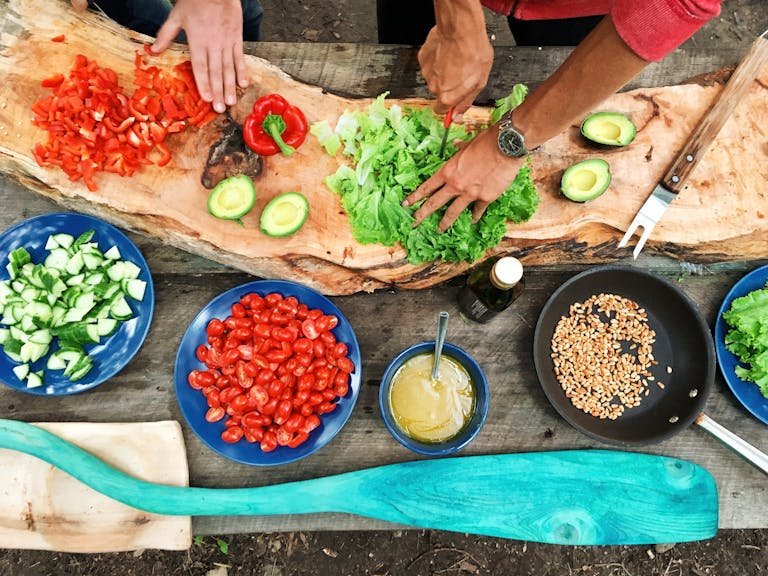
To cook well is not simply to follow instructions; it is to participate in a dialogue between the senses. Before a flame is lit, the cook listens—to the rustle of basil leaves, to the satisfying thump of a ripe melon, to the whisper of onions promising sweetness if treated with patience. Preparation is meditation. Chopping vegetables with deliberate rhythm can slow the breath and sharpen the mind. You begin to notice details you once overlooked: the peppery fragrance released when garlic meets the cutting board, the way butter softens instantly under warm fingertips.
In these small rituals, the cook becomes present. The world outside—the lists, the deadlines, the noise—dissolves, replaced by a soft focus on the task at hand. There is elegance in readiness, in honoring each ingredient with a moment of attention before inviting it into the dish.
Heat: The Great Composer
Fire has always been at the heart of cuisine, a silent collaborator shaping flavor with invisible hands. Searing, simmering, roasting—each method is a conversation with heat, and heat never responds the same way twice. The seasoned cook learns to read these subtle cues. A pan shimmering with oil means readiness; a faint nutty aroma means the butter is just beginning to brown; a sputter too sharp signals it’s time to turn down the flame.
This dance with heat is where intuition flourishes. Recipes may offer structure, but the finest dishes arise when the cook senses what the ingredients need moment by moment. A stew thickened by instinct, not measurement; a sauce brightened by a squeeze of lemon added at the perfect second; a loaf pulled from the oven just as its crust reaches that luminous shade between gold and amber. Precision guides cooking, yes, but intuition elevates it.
Ingredients as Storytellers
Every ingredient carries a history. Tomatoes arrived from the New World and reshaped Mediterranean cuisine. Cinnamon traveled the ancient world along winding spice routes. Even humble carrots have been bred across centuries from purple to orange. When we cook, we inherit these stories and add our own.
Think of a pot of soup simmering on a winter afternoon. Its flavors may echo your grandmother’s kitchen, a childhood memory of warmth and safety. Or consider a dish you tasted while traveling—a street vendor’s skewers or a seaside bowl of noodles—later recreated at home not for perfection but for nostalgia. Cooking allows us to travel across time and geography without leaving our stove.
The Art of Serving
While cooking is intimate, serving is generous. A well-prepared meal is an offering: nourishment wrapped in care. The act of plating, too, is a subtle art—balancing color, texture, and proportion so that the first impression invites curiosity. But elegance in cooking is never about extravagance; it lies in thoughtfulness. A drizzle of herb oil, a sprinkle of flaky salt, a warm plate holding a simple dish prepared with attention—these details communicate love more eloquently than elaborate presentation ever could.
The Table as a Gathering Place
Perhaps the greatest achievement of cooking is its ability to bring people together. Around a shared table, conversation softens, stories unfold, and connections deepen. A meal becomes the backdrop to laughter, celebration, even quiet companionship. The dishes need not be complicated; in fact, some of the most memorable meals are the simplest ones—a roast chicken shared on a Sunday evening, fresh bread torn by hand, a salad still cool from the garden.
Cooking reminds us that nourishment extends beyond the physical. It feeds relationships, fosters gratitude, and creates moments worth remembering.
A Ritual Worth Returning To
In a world often hurried and distracted, cooking offers a rare opportunity to slow down and engage with the present. It invites us to use our senses fully, to create with our hands, and to savor the results of our effort. Each meal is a small act of creativity, a chance to transform the ordinary into something meaningful.
The kitchen, then, is not merely a functional space. It is a workshop of emotion and imagination, a place where flame and memory meet. And every time we step into it—whether to prepare an elaborate feast or a simple supper—we participate in the quiet, enduring alchemy that makes cooking an art.