The Digital Tree: How Nature Shapes the Future of Technology
When you look at a tree — its branches spreading outward, each one dividing into smaller paths — you’re not just looking at nature. You’re looking at a blueprint of modern technology. The structure that holds our digital world together, from neural networks to global data systems, follows the same quiet logic that a tree has followed for millions of years.
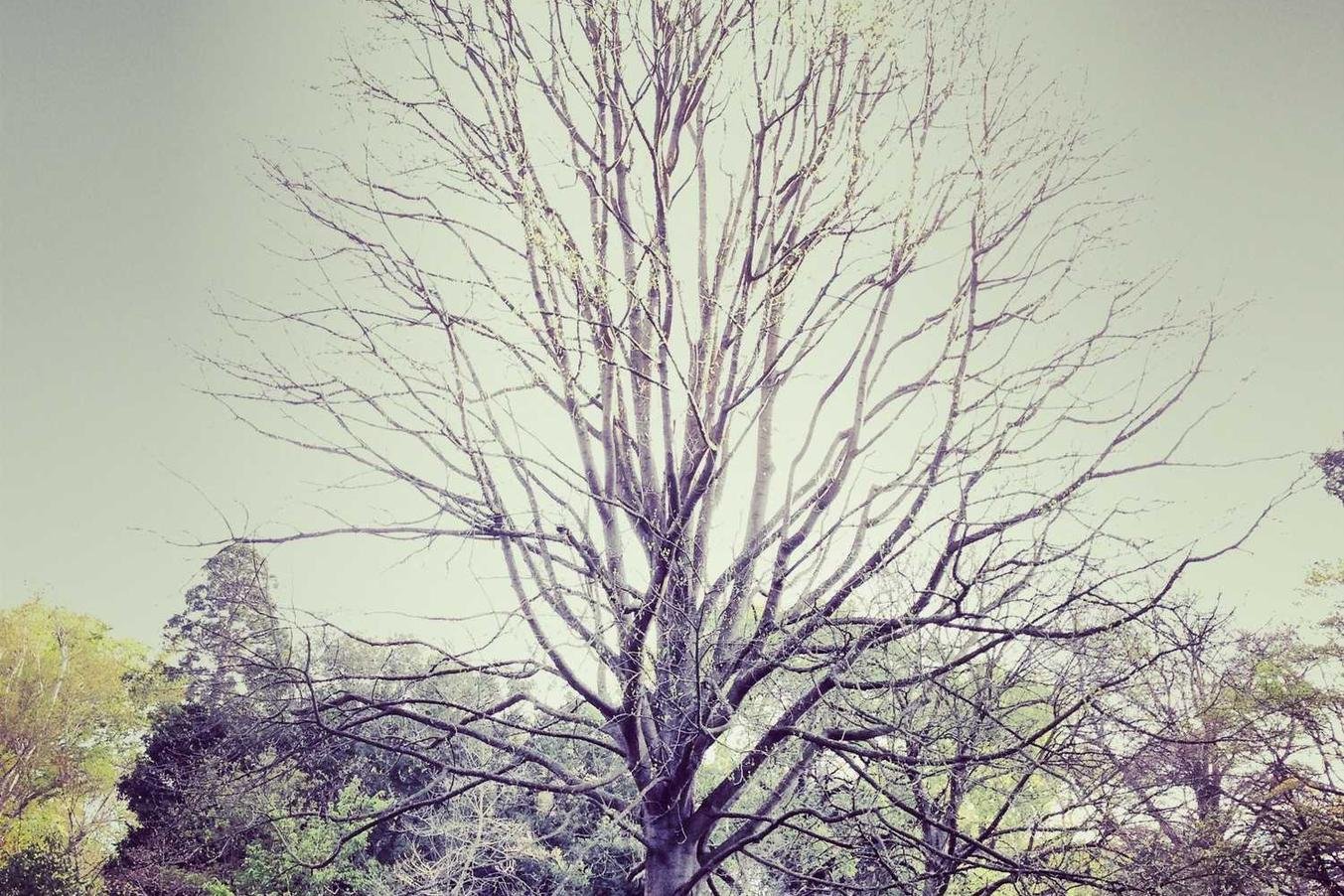
The bare branches reaching toward the light resemble the invisible lines that connect our devices, our thoughts, and our shared knowledge. Technology didn’t invent connection — nature did. Humanity simply learned to translate it into code.
Roots of Innovation
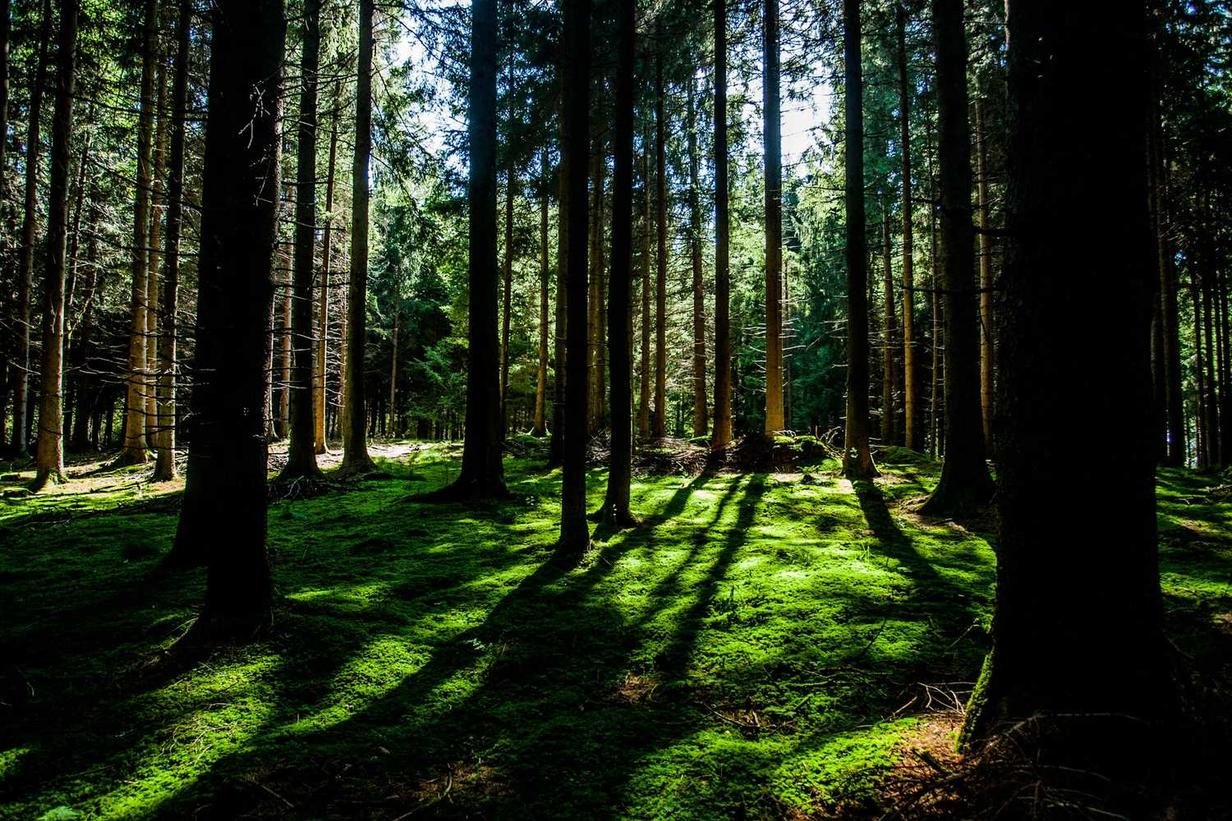
Every tree begins underground. Its strength doesn’t come from what you see, but from the roots that hold it steady beneath the surface. Technology is no different. What we experience — the sleek devices, the apps, the AI models — are only the visible branches. The real foundation lies beneath: the scientists, the engineers, the billions of lines of code forming the invisible roots that sustain the digital canopy.
The more those roots spread, the more stable the tree becomes. The same goes for innovation. Ideas, like roots, must dig deep into knowledge, failure, and experimentation before they rise to light. The tree in this photo, stripped bare and standing tall, is a symbol of every invention that began unseen — a silent process of growth before recognition.
The oldest trees in the world carry within them centuries of adaptation. Similarly, our most advanced technologies — artificial intelligence, renewable energy, space exploration — all grow from generations of accumulated understanding. Each branch of progress begins with a seed planted long before us.
Branches of Connection
If the roots represent knowledge, the branches are communication.
Each one reaches outward, exploring space, connecting with others, and building a web of existence. The internet itself mirrors this design. Billions of connections spread outward like a digital forest — data, ideas, and human stories flowing between branches that never stop reaching.
Our devices are leaves, glowing and fragile, attached to this larger organism. When one falls away — a website gone offline, a platform replaced — new ones grow in its place. The structure remains. Like a tree renewing itself, technology evolves by shedding what no longer serves and extending toward what promises more light.
Think of social networks, cloud computing, or global data infrastructure — all of them rely on branching patterns, systems that split and connect, allowing information to flow freely. Even the architecture of the internet itself, the TCP/IP model, resembles the growth of a tree: root servers at the base, intermediate layers connecting the world above.
And then there’s artificial intelligence — a system literally built on the logic of trees.
Decision trees, neural networks, hierarchical structures — all borrow their principles from nature’s design. We teach machines to think like forests grow: step by step, layer by layer, one connection leading to another.
Seasons of Change
The photo shows a tree caught between seasons. It’s neither dead nor fully alive — only waiting. Technology moves in the same rhythm. We go through cycles of creation and decay. Devices become outdated, systems replaced, ideas forgotten. But each technological “winter” makes room for a new spring of discovery.
Just as a tree sheds its leaves to survive, technology must also let go of what once worked. Old software gives way to new frameworks. Outdated networks evolve into faster, smarter systems. Even the largest tech empires must adapt or fall behind — nature’s law applies equally in silicon and soil.
There’s a kind of poetry in that. Every update, every redesign, every new version is a season — a reminder that progress isn’t a straight line but a cycle. It’s the rhythm of growth, rest, and renewal that defines both nature and technology.
The Human Element
For all our algorithms and automation, there’s something deeply human in this connection. We are, after all, the gardeners of this digital forest. We plant, prune, and sometimes destroy — but always return to rebuild.
The branches we extend through technology — emails, messages, data streams — are extensions of ourselves. Every post, every invention, every innovation adds a new layer to the growing canopy of collective intelligence.
Yet like any forest, the digital world needs balance. Without it, the system chokes. We’ve seen how misinformation spreads like a disease, how unchecked algorithms can twist branches into chaos. The tree reminds us: growth without direction leads to collapse.
Sustainability isn’t only an environmental concern — it’s a technological one.
To build responsibly, we must learn from the tree: grow, but with purpose. Expand, but remain rooted.
Light Through the Branches
In the photograph, light filters through the empty branches, creating patterns of shadow and brilliance. That light is innovation — the constant search for what’s next. Technology thrives when it lets light in — when it’s transparent, accessible, and shared.
Closed systems, secrecy, and greed are like dead branches — they block the light and limit growth. But open-source projects, collaborative design, and global research communities are the sunlight of the digital age. They keep the system alive and growing.
The most remarkable thing about trees is how they adapt without losing their essence. They bend but don’t break. The same resilience is what defines human progress. When a storm passes — whether in nature or technology — the roots remain. The tree starts again.
The Future: A Living Network
Imagine if our digital world grew like a living organism. Every byte of data, every user, every innovation — part of one massive, breathing network. In some ways, we’re already there. The cloud is our sky, the cables are our roots, and our collective intelligence is the soil that feeds it all.
The future of technology won’t be about replacing nature but learning from it.
Bio-inspired design is already leading breakthroughs — from self-healing materials to adaptive AI that learns like ecosystems evolve. The next generation of innovation won’t just use technology; it will grow technology, in the truest sense of the word.
And perhaps that’s what the tree in this image whispers to us: progress doesn’t mean escaping nature. It means understanding it so deeply that we finally learn to build like it does — organically, intelligently, and endlessly.